Technical insulation jackets purpose-designed for turbines, passive fire protection, heated IBC jackets, exhaust/DOC/SCR, biogas gas engine and plastic extrusion line applications. Every application is designed individually for its own geometry and operating conditions.
The casings, inlet valves and exhaust connections of steam and gas turbines are critical equipment that involve both high temperatures and periodic maintenance. With materials rated up to 900°C and a modular panel design, we provide full maintenance access.
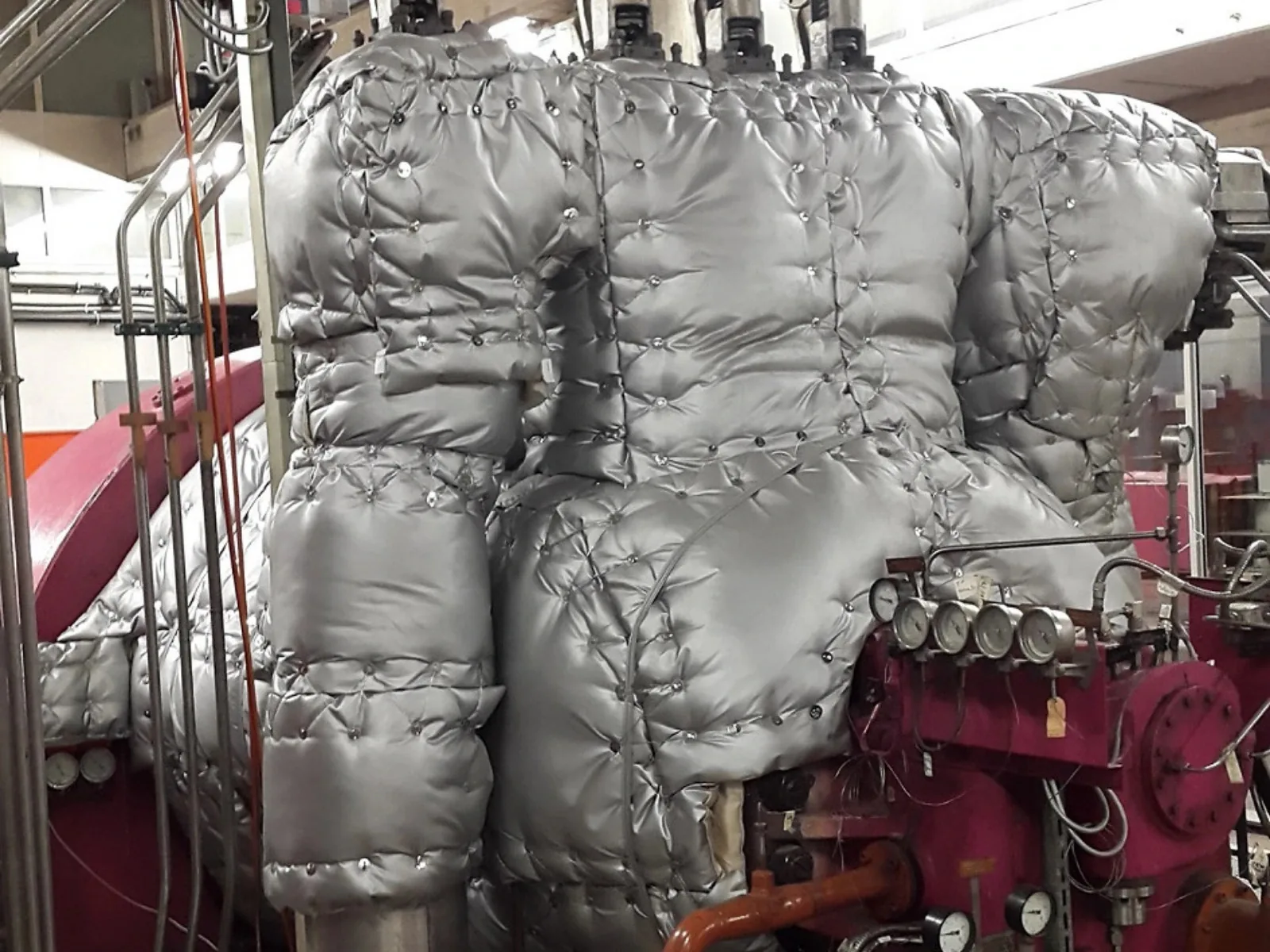
Aerogel-based inner filler and high-temperature fabrics adapt to the toughest turbine applications.
Jacket removal time during turbine overhauls is minimized; production downtime is shortened.
The turbine casing is modelled digitally and divided into jackets according to the removal sequence. Rotate the model, separate or assemble the jackets, and hover over a jacket to see its details.
Select a jacket from the list or the model. The selected jacket is highlighted and the others fade.
This is a sample model for illustration. Each project is modelled separately based on the measurements of the turbine on site.
In petrochemical plants and refineries, critical pipelines and valves can become a source in hydrocarbon fire scenarios. In a fire scenario, PFP jackets preserve steel and equipment integrity, extending evacuation time and keeping flow control possible.
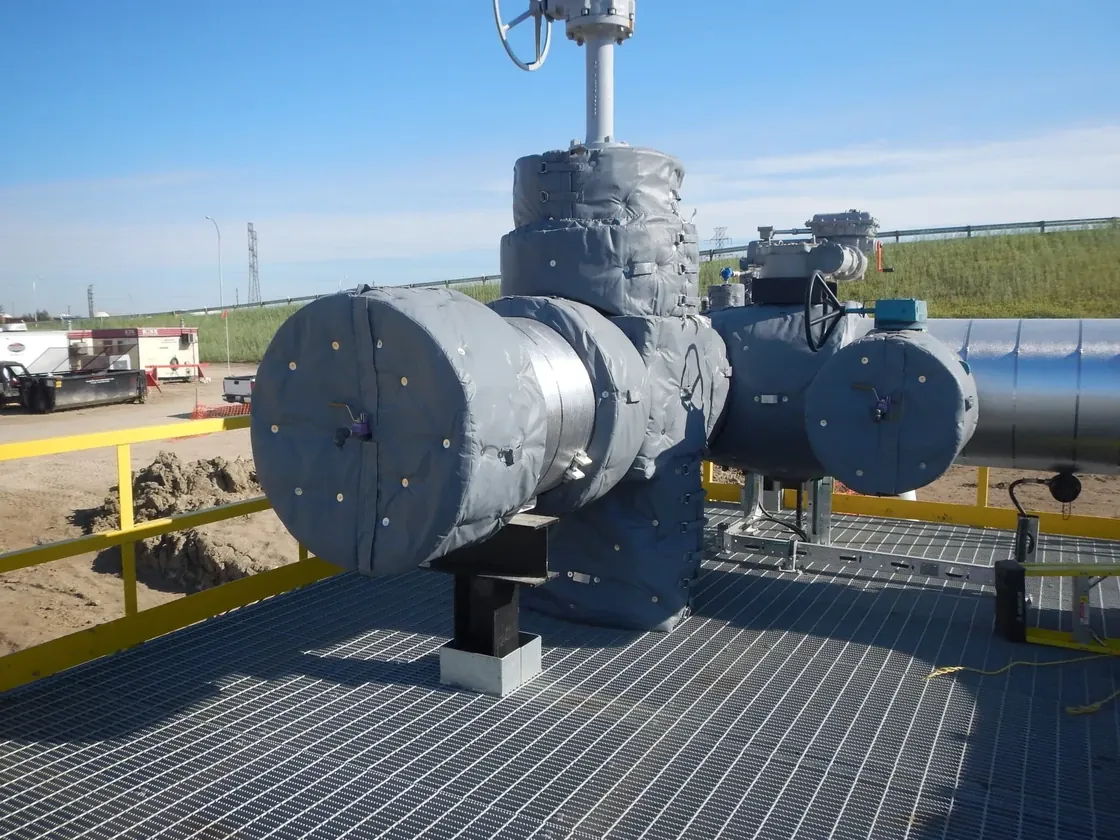
Provides up to 120 minutes of protection with materials tested to UL 1709 and NORSOK M-650.
Unlike fixed fireproofing coatings, it eases maintenance access; the same jacket is refitted after periodic inspection.
Bitumen, polyurethane resin, heavy oil and similar viscous liquids solidify in IBCs or drums in the cold. Heated jackets working with electric heating cable or a steam coil keep the product temperature constant and minimize energy consumption.
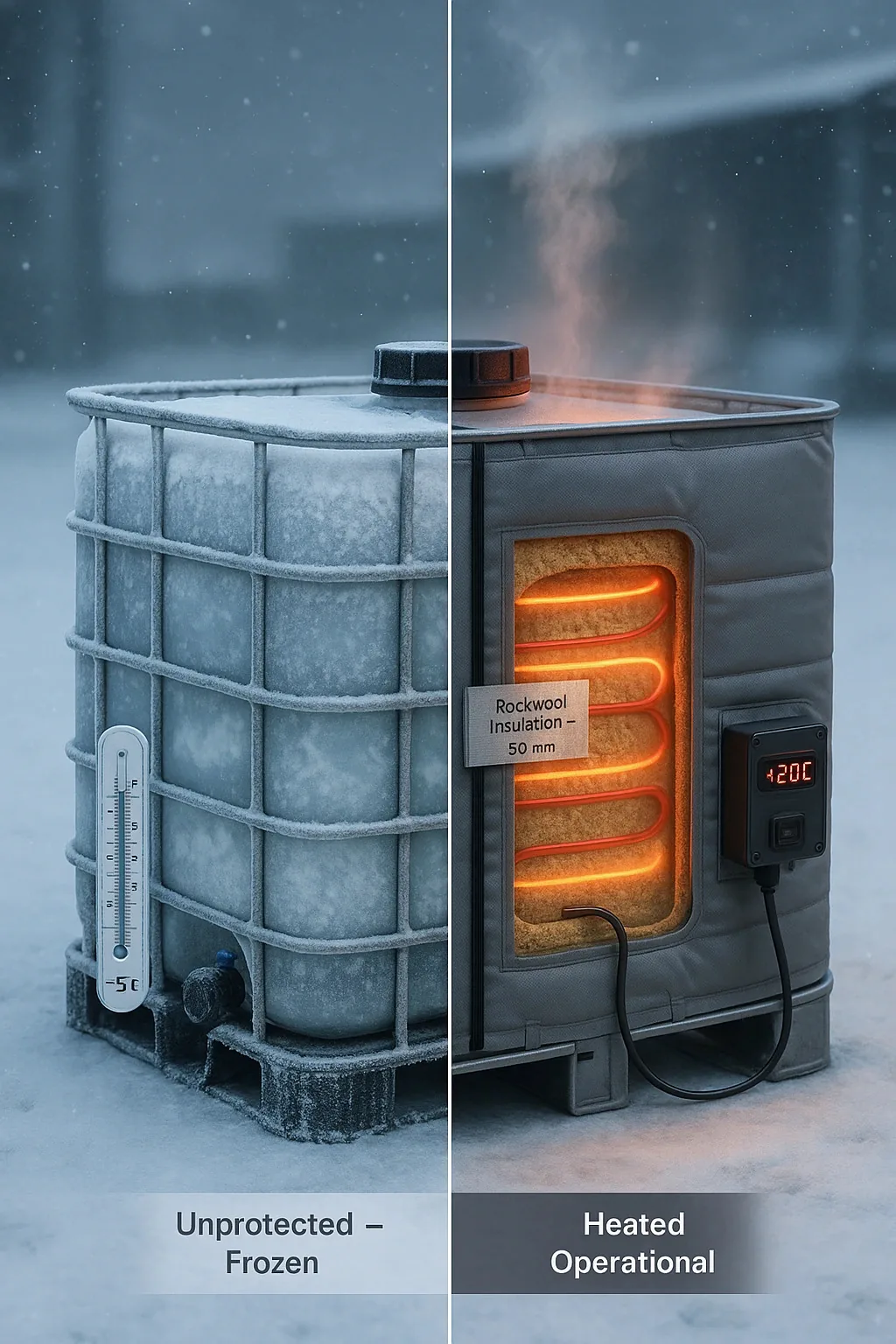
The product is brought to target temperature before it solidifies; pump failure and production stoppage are prevented.
With an insulation layer that prevents heat leakage, heating energy is transferred only to the product.
Heat loss from the engine exhaust system and aftertreatment components affects emission efficiency, fuel consumption and personnel safety. Jackets that keep aftertreatment components at operating temperature save fuel and reduce the heat load in the engine room.
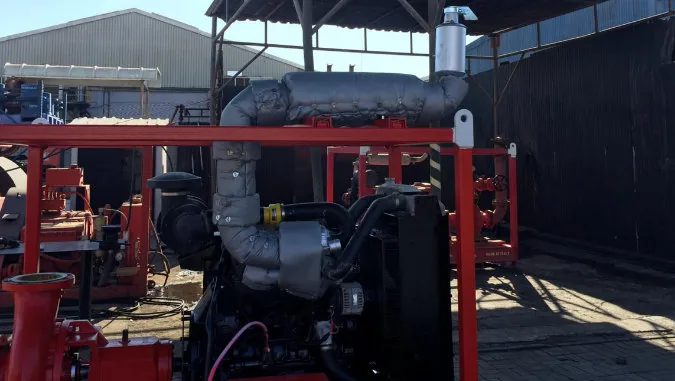
When DOC/SCR components do not drop below operating temperature, catalytic conversion efficiency stays at maximum.
The surface temperature of high-temperature exhaust components is brought below 60°C; the burn risk is eliminated.
For maximum electrical and thermal efficiency in CHP plants, managing exhaust heat, cooling water temperature and waste heat systems efficiently is critical. Removable gas engine jackets insulate the exhaust manifold, heat recovery exchangers and auxiliary equipment, increasing total CHP efficiency.
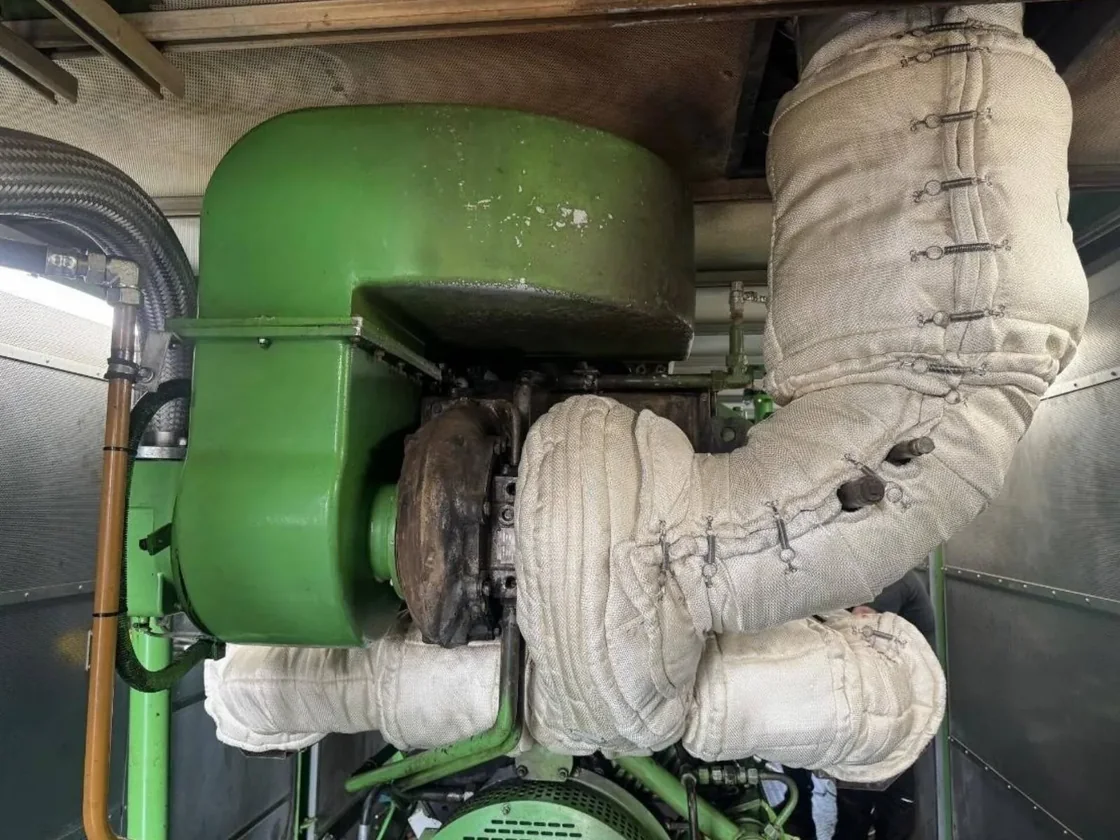
Losses on the exhaust manifold and heat recovery lines are minimized; total CHP efficiency increases.
By preventing exhaust heat from spreading into the engine room, machine-room working temperatures drop.
Energy costs are now such a significant part of production cost that maximising savings everywhere improves both the bottom line and competitive edge. On injection moulding and extrusion lines, uninsulated barrel bodies, heater bands and die head zones constantly lose heat and can push surface temperatures to unsafe levels. OPTERM Extruder Insulation Jackets wrap the barrel, die head and feed zone, improving heater band efficiency, stabilising process temperature, and their removable design allows fast access for maintenance and die/colour changes. Beyond injection moulding machine barrels, they can be fitted across a wide range of plastics machinery including blow moulders, extruders, extruder heads and material dryers.
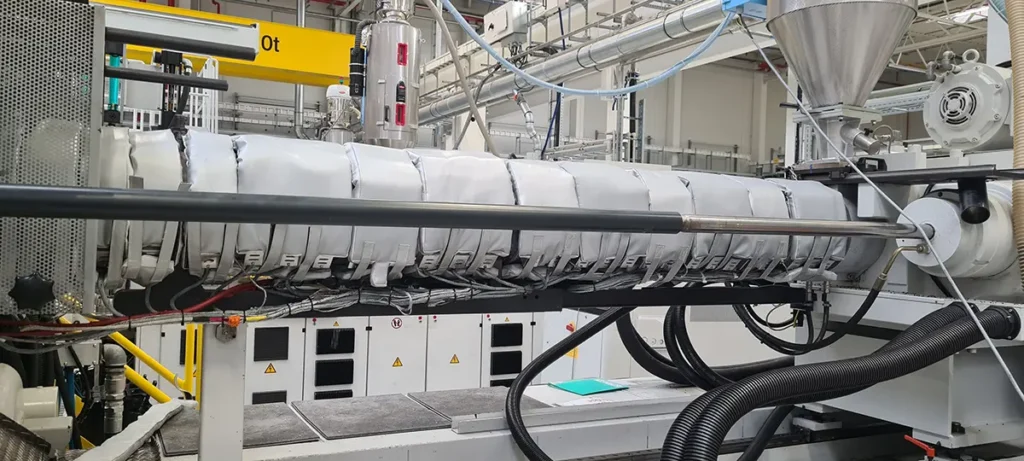
Insulation reduces heat loss so the barrel heats up faster, shortening startup times and keeping process temperature more consistent for better part quality.
Insulated barrel surfaces are safer to touch; lower external surface temperature reduces the risk of burns for operators and maintenance staff.
The outer material is a coated fibreglass cloth, tightened with heavy-duty buckles and/or high-temperature velcro depending on the application; thermocouple holes are reinforced with a steel grommet. Standard filler is fibreglass, rated to 800°C; the premium Aerogel filler is rated to 1000°C and delivers higher efficiency.
The removable design lets the jacket be taken off and refitted the same day during heater band or die head maintenance, or a die/colour change.
They are designed for specialised applications such as turbines, passive fire protection, heated IBC/drum, exhaust/DOC/SCR, biogas gas engines and plastic extrusion lines. Aerogel-based fillers, high-temperature fabrics and application-specific test standards such as UL 1709 and NORSOK M-650 come into play; every jacket is designed individually for its own geometry and operating conditions.
In a hydrocarbon fire scenario it provides up to 120 minutes of protection with materials tested to UL 1709 and NORSOK M-650; by preserving steel and equipment integrity it extends evacuation time and keeps flow control possible. Unlike fixed fireproofing coatings it is removable; the same jacket is refitted after periodic inspection.
Up to 900°C with aerogel-based inner filler and high-temperature fabrics. Thanks to the modular panel design, removal time during turbine overhauls is minimized and production downtime is shortened.
They are used where viscous products such as bitumen, polyurethane resin and heavy oil must be kept at process temperature. By heating the container safely and evenly, they remove the need for methods like portable heaters that are both hazardous and energy-inefficient.
In a field-based example on an injection moulding machine barrel, a line consuming 53,556 kWh per year uninsulated drops to 34,986 kWh with an OPTERM Extruder Insulation Jacket fitted, a saving of 18,570 kWh per year, around 35%. At Turkey's 2026 industrial electricity tariff (approximately 5.30 TRY/kWh), that is a drop from roughly 283,850 TRY to 185,430 TRY per year, i.e. close to 98,400 TRY in annual savings on a single line. Jacket investment typically pays back within 4-6 months, depending on the line's operating regime. We recommend trialling a jacket on one machine and comparing energy consumption before and after with power measurement equipment; many of our customers started this way.
The outer material is a coated fibreglass cloth; fixing is achieved with heavy-duty buckles and/or high-temperature velcro depending on the application, and thermocouple holes are reinforced with a steel grommet. Standard filler is fibreglass, rated up to 800°C; the premium Aerogel filler is rated up to 1000°C. Initial quotations are based on barrel length, diameter and the number of jackets required, with one cut-out for the electrical box and thermocouple hole included; full measurements accounting for cables and support pillars are taken once an order is placed.


 Türkçe