Every project starts with a site audit. We turn the losses we detect with a thermal camera into an ISO 12241 calculation, manufacture in our own workshop and complete the installation with our own team. Four steps, one point of contact.
We arrive on site with a thermal camera and surface-temperature measurement equipment. After mapping your plant's losses, we calculate the payback period on our Optimizi engineering platform.
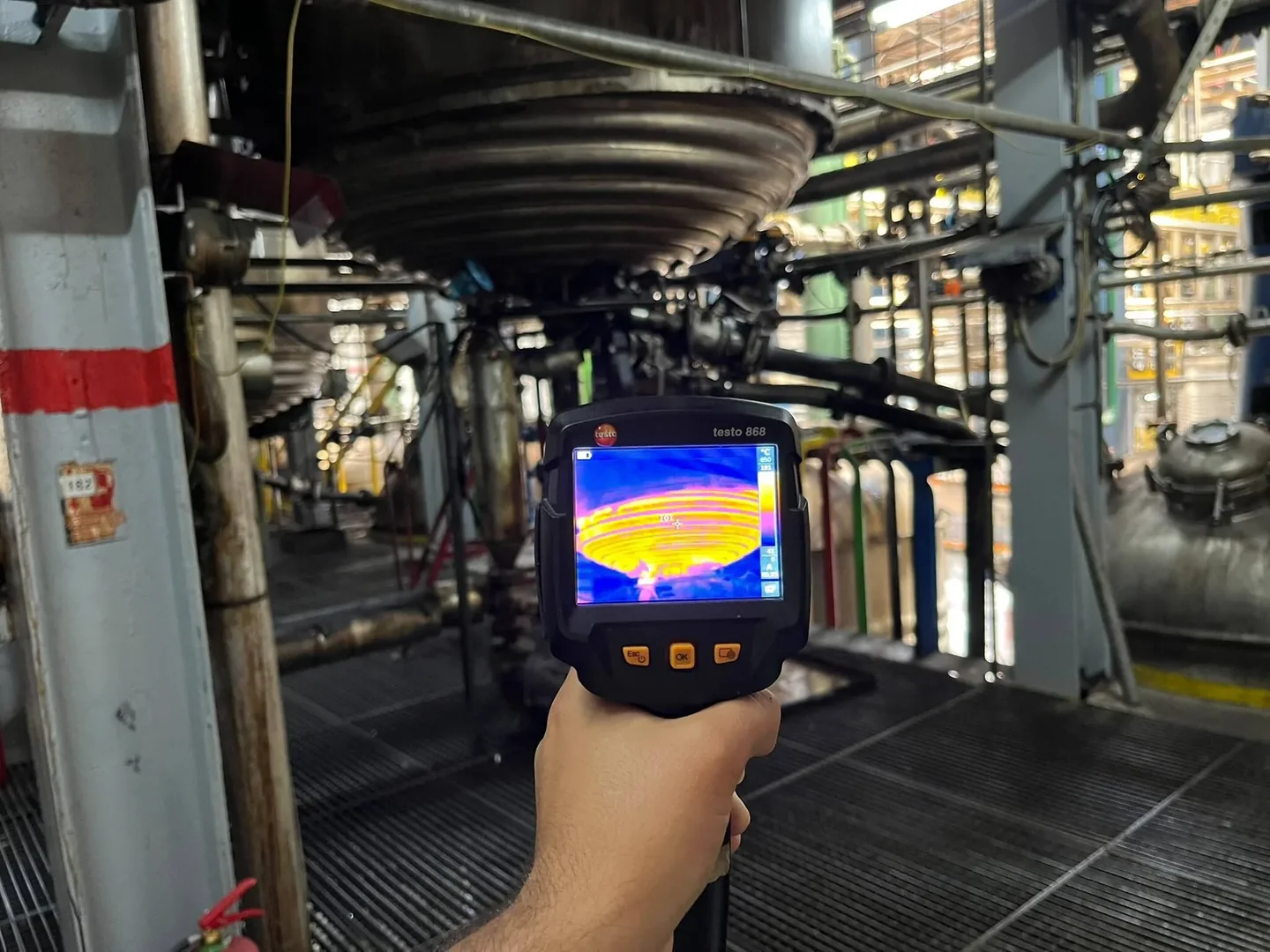
Every valve, flange, heat exchanger and pipeline in your plant is scanned with a thermal camera. Heat-leaking points are marked on a map.
Once surface temperature, pipe diameter and the energy unit price are entered, Optimizi calculates the annual energy loss and payback period for each point. Presented with concrete, independent data.
A technical report is prepared covering the plant's current condition, priority intervention points and estimated savings. If a payback period doesn't look short, we say so openly.
We don't use standard molds. We combine equipment-specific geometry analysis with ISO 12241 and ASTM C680 calculations to produce technical drawings; then we move to manufacturing.
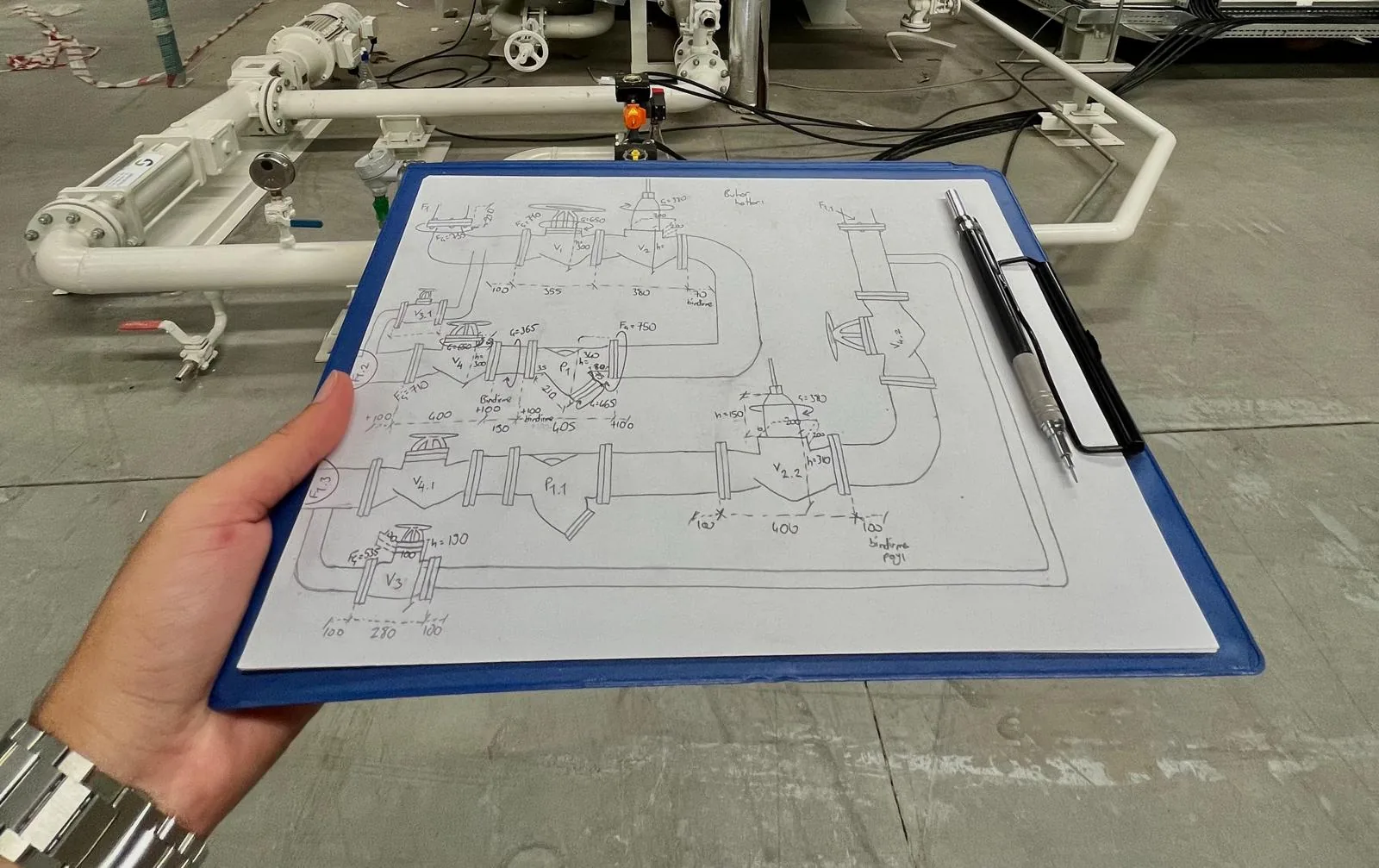
Every valve, flange, heat exchanger and piece of equipment is measured in place. Complex geometries are transferred to 3D; the pattern is produced from this data.
Insulation thickness, material selection and expected surface temperature are determined by standards-compliant engineering calculation. Not a guess. A calculation.
Inner filler, outer facing and fastening systems are determined at the design stage, according to operating temperature, chemical environment and water/moisture conditions.
We manufacture in our own workshop and complete installation with our own field team. We deliver within your planned maintenance window, without disturbing your production flow.
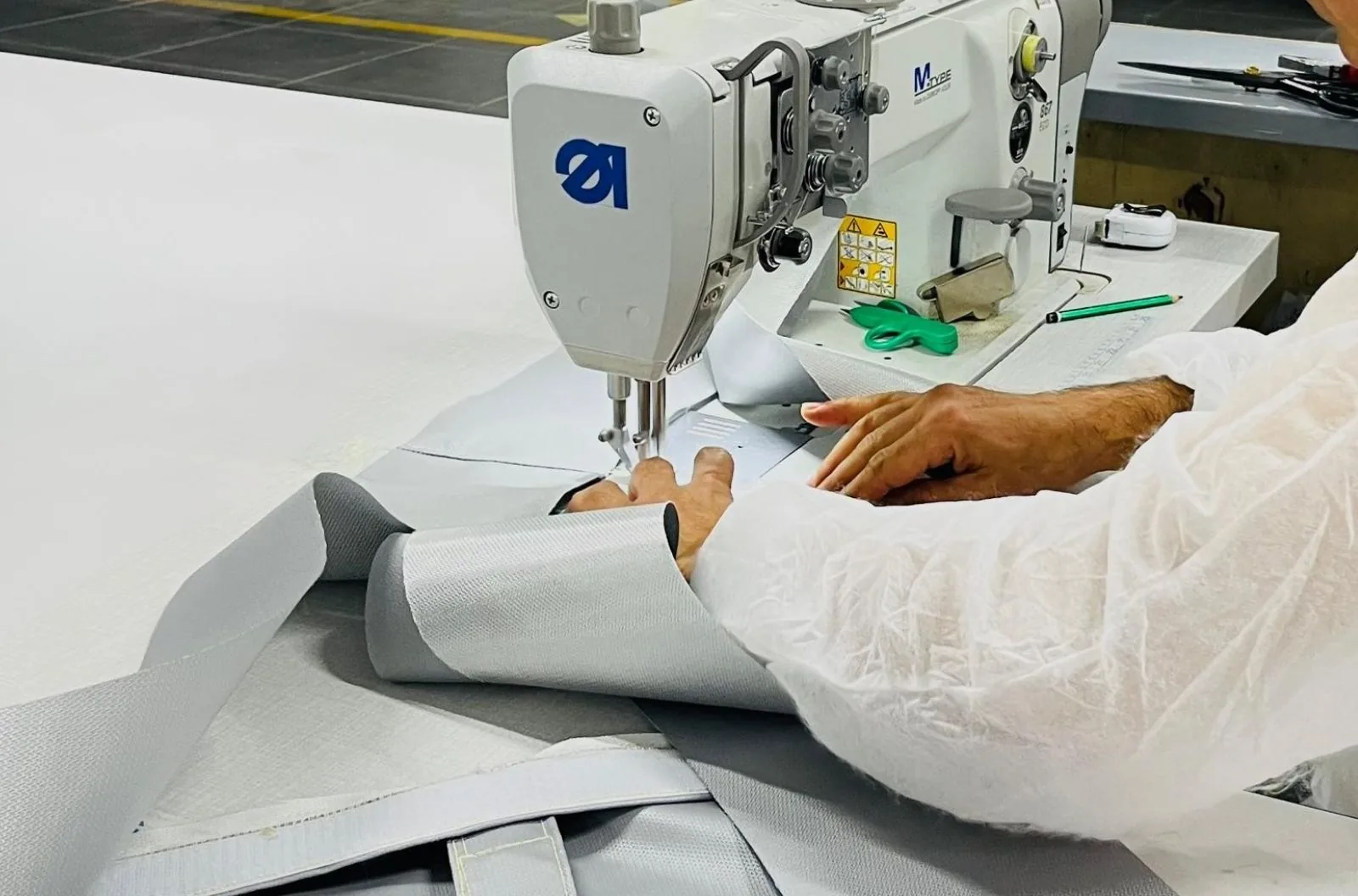
Every jacket is produced in our own workshop with dimensional and thermal checks. Fit compatibility is tested before shipping to site.
Our installation team works in line with your plant's occupational safety procedures. Fitting within the planned maintenance window and not disrupting production flow are our priorities.
After installation, verification is done with a thermal camera. We confirm on site that the surface temperature predicted in the design has been achieved.
During periodic maintenance we remove the removable valve jackets, inspect the equipment and refit them. On fixed insulation systems we regularly inspect for damage and wear.
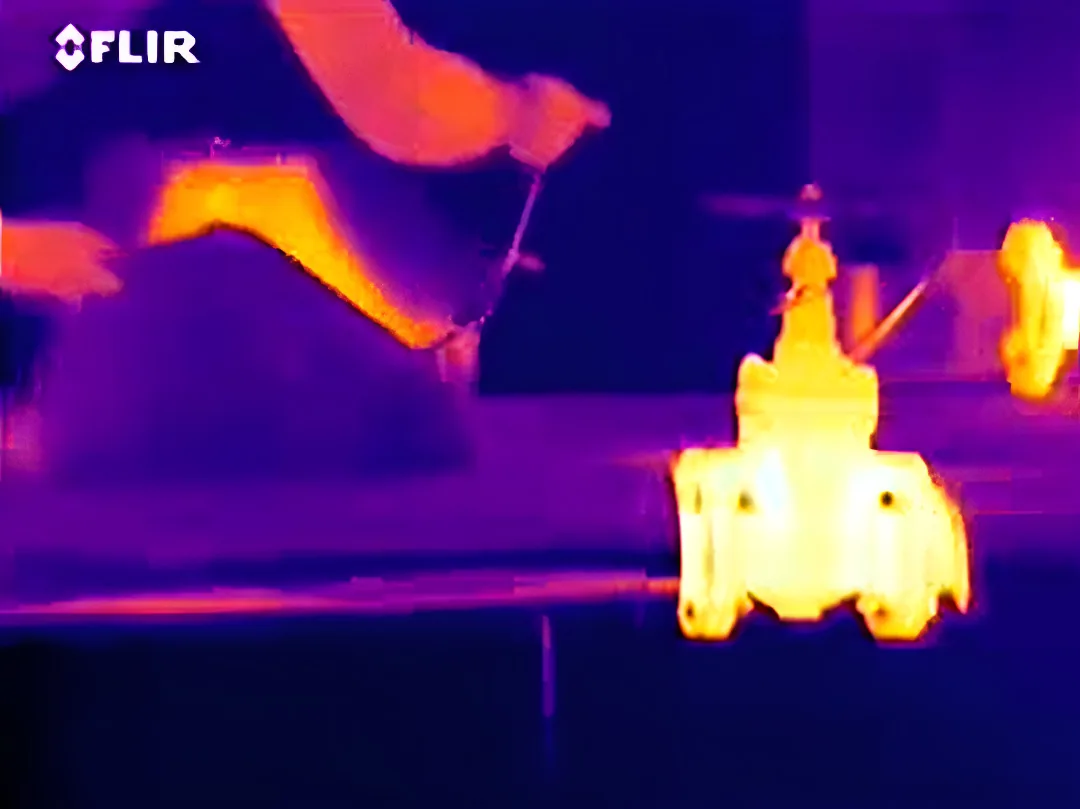
Valve jacket maintenance is synchronized with your periodic maintenance window. Removal, valve inspection and refitting are done by our own team.
On fixed sheet-metal cladding insulation, degraded zones are detected with a thermal camera. Where needed, inspection openings are made to check for corrosion under insulation (CUI).
Points with detected damage are prioritized, and local or full renewal is recommended. A maintenance report and the next inspection schedule are delivered.


 Türkçe