Aluminum or stainless steel sheet-metal cladding insulation services for tanks, pipelines and process equipment. Design based on ISO 12241 calculation, turnkey installation with our own field team.
Large-diameter storage tanks in petrochemical, chemical and food plants require long-lived sheet-metal cladding insulation against thermal loss, condensation and corrosion under insulation (CUI). We provide a turnkey service from ISO 12241-based design to field installation.
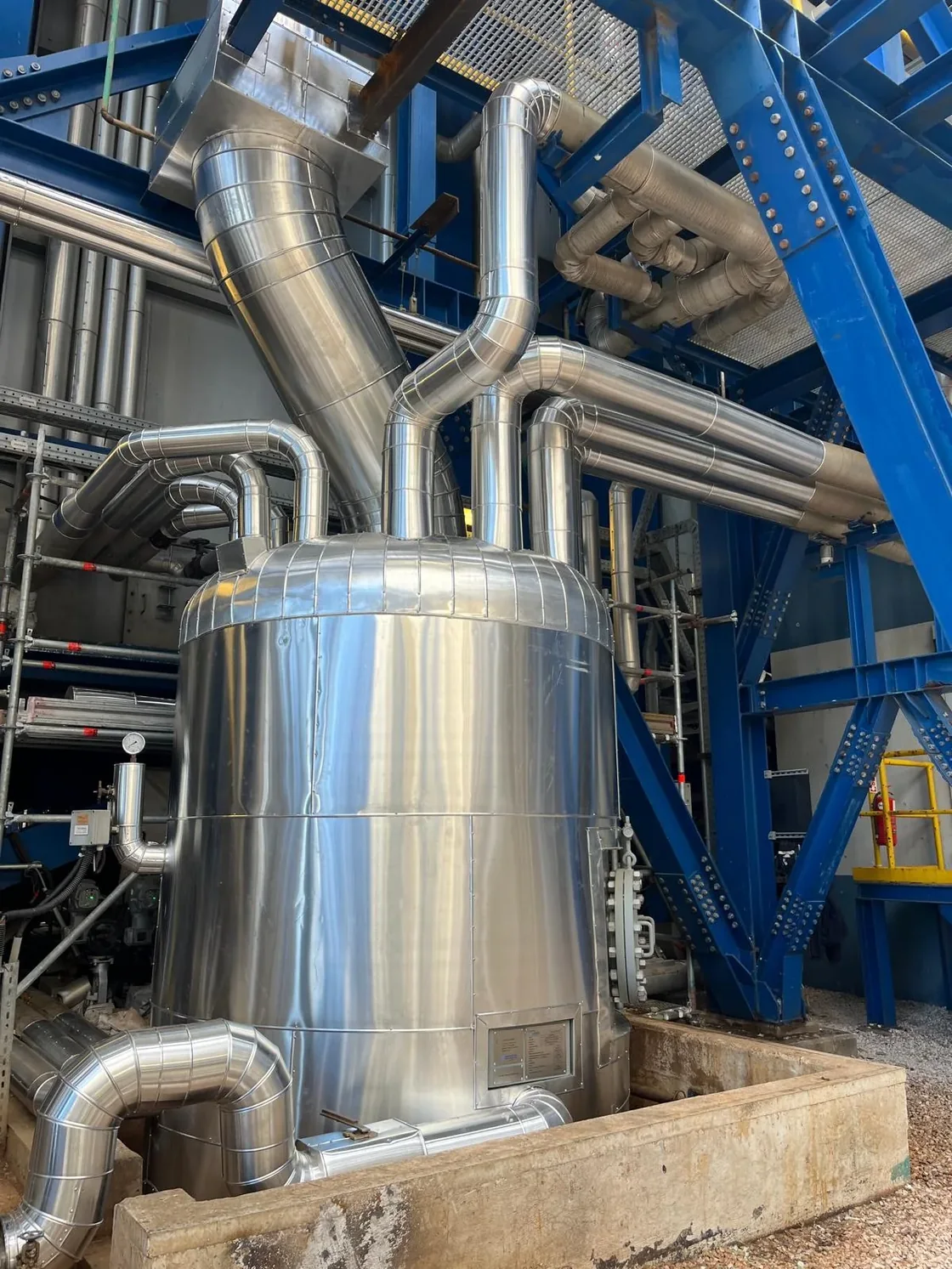
Material and application method are selected to minimize the risk of Corrosion Under Insulation.
The most suitable cladding material is recommended based on ambient conditions, chemical exposure and aesthetic requirements.
On long straight pipelines, sheet-metal cladding insulation is a long-lived, mechanically durable and cost-effective solution. We provide a full service from ISO 12241-based insulation thickness selection to the field installation of aluminum or stainless steel cladding.
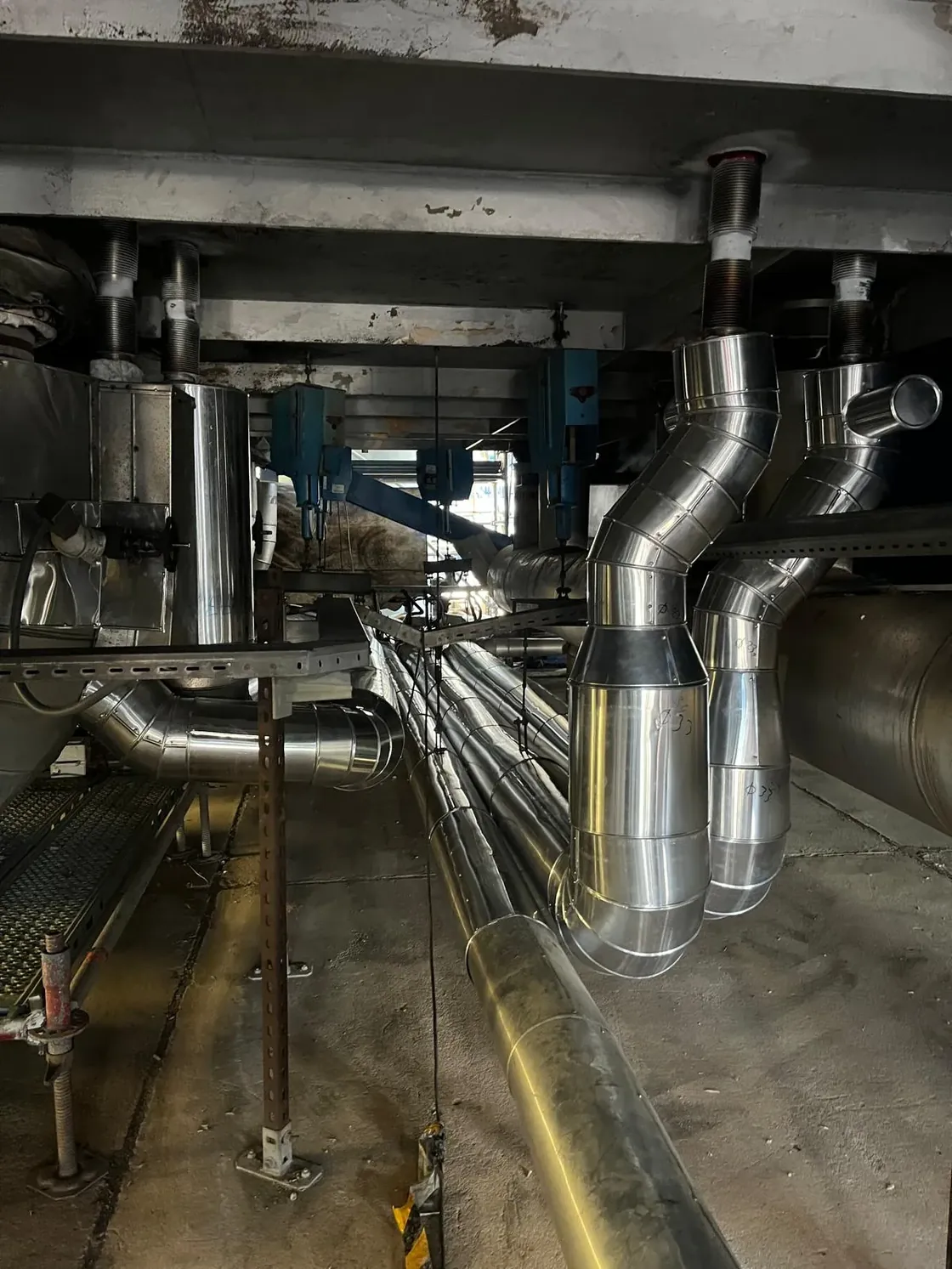
Insulation thickness is determined with ISO 12241 according to service temperature, ambient conditions and the energy savings target, preventing unnecessary material use.
Fixed pipe insulation and removable valve jackets are applied together in the same project; maintenance points remain accessible.
Boilers, reactors, furnaces and large process equipment are critical areas with both high energy loss and personnel safety risk. We provide turnkey installation with equipment-specific ISO 12241-calculated design and aluminum or stainless steel cladding.
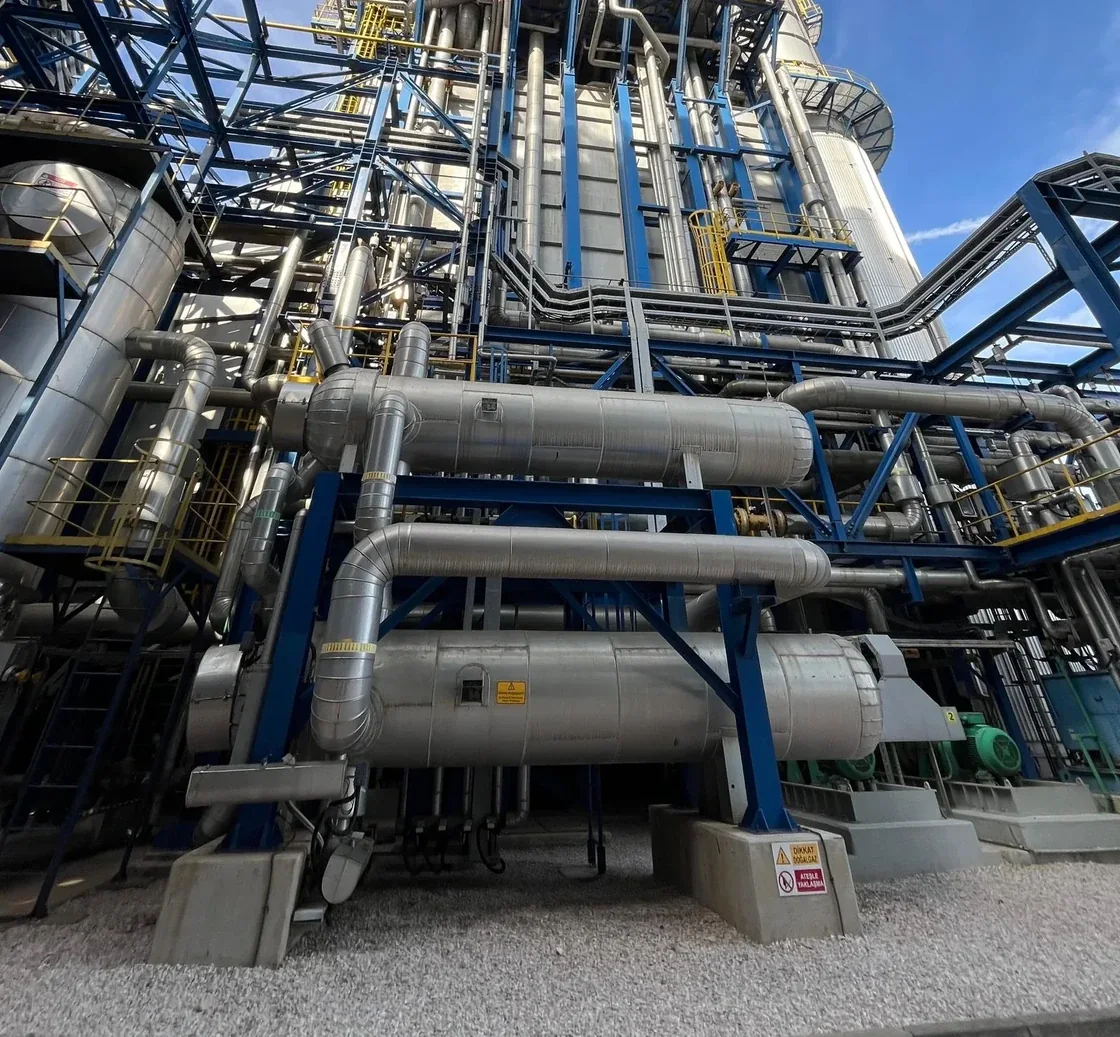
Template-formed cladding is applied to conical, cylindrical or complex-shaped equipment surfaces.
Personnel safety is ensured with an insulation thickness calculated to stay below the 60°C threshold.
Ageing or damaged insulation increases energy loss, raises the risk of corrosion under insulation (CUI) and threatens personnel safety. We provide a complete revision service from thermal-camera detection of damaged zones to insulation renewal.
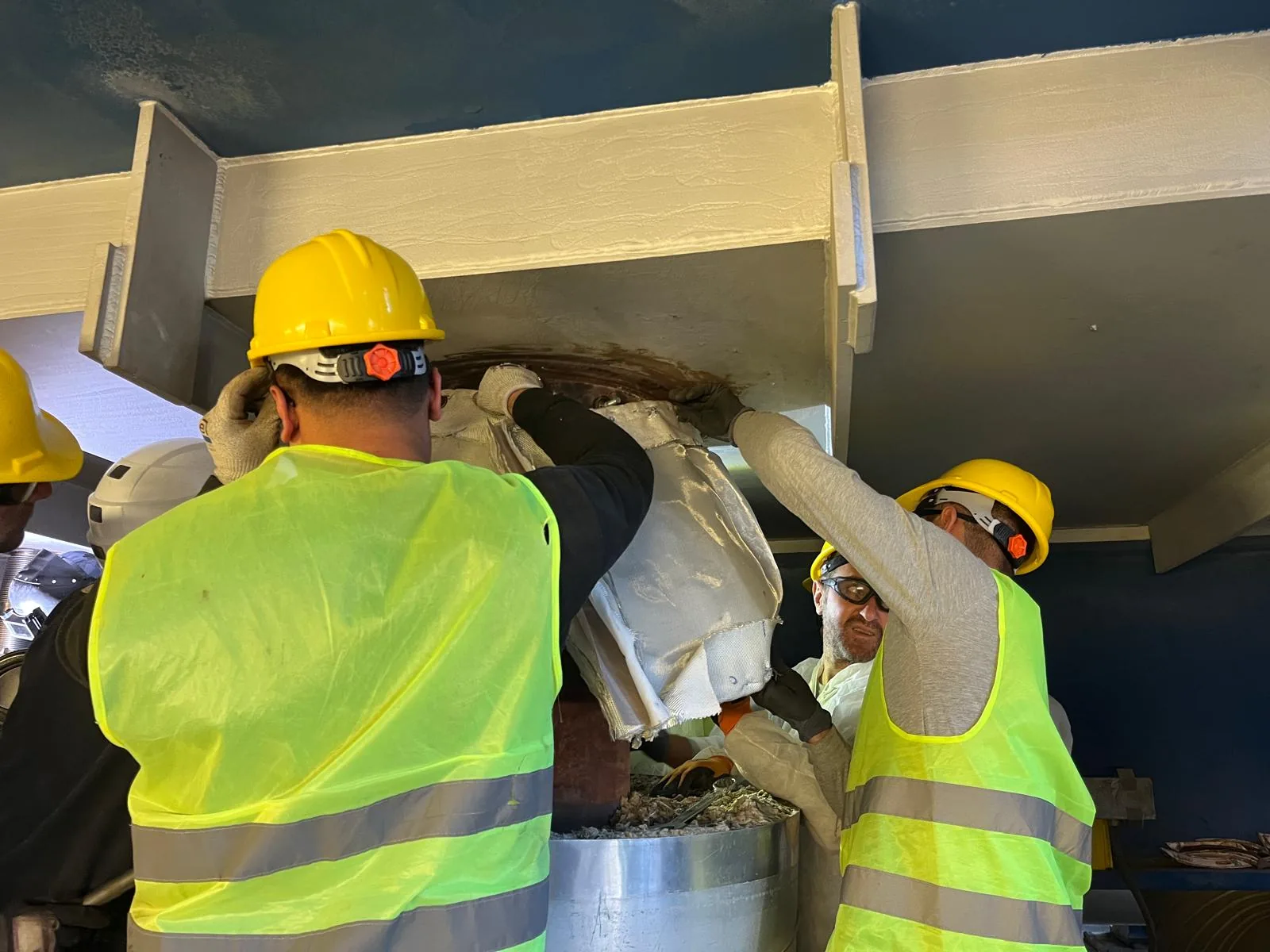
The entire plant is scanned; damaged and heat-leaking points are identified and prioritized.
Work is planned around the plant's overhaul schedule; the intervention is completed without extending the production shutdown.
When the insulation is removed, pipe and equipment surfaces are inspected for corrosion; a protective coating is recommended if needed.
It is the long-lived, mechanically durable and cost-effective solution for long straight pipelines, large-diameter storage tanks and process equipment with unchanging geometry. At valves and connection points that require frequent maintenance, it is applied together with removable valve jackets in the same project.
Material and application method are selected to minimize CUI risk; drainage details and cladding joints are designed to prevent water ingress. Within our revision and maintenance service, CUI findings in existing insulation are also reported.
The most suitable cladding material is recommended based on ambient conditions, chemical exposure and aesthetic requirements. Both options are applied turnkey by our own field team, with a design based on ISO 12241 calculation.
It is determined with the ISO 12241 standard according to service temperature, ambient conditions and the energy savings target, preventing unnecessary material use. Not a guess but a calculation: the design is documented with a calculation report in every project.


 Türkçe