Made-to-measure insulation jackets that can be removed and refitted on valves, flanges and equipment that must be opened for maintenance. OPTERM measures each jacket on site, calculates the insulation thickness, manufactures it and installs it.
Pipelines are insulated in most plants, but valves, flanges, pumps and exchanger heads are often left bare because they must be opened for maintenance, or their fixed insulation is destroyed and rebuilt at every overhaul. A removable insulation jacket insulates these points, is removed by releasing its fasteners during maintenance, and the same jacket is refitted afterwards.
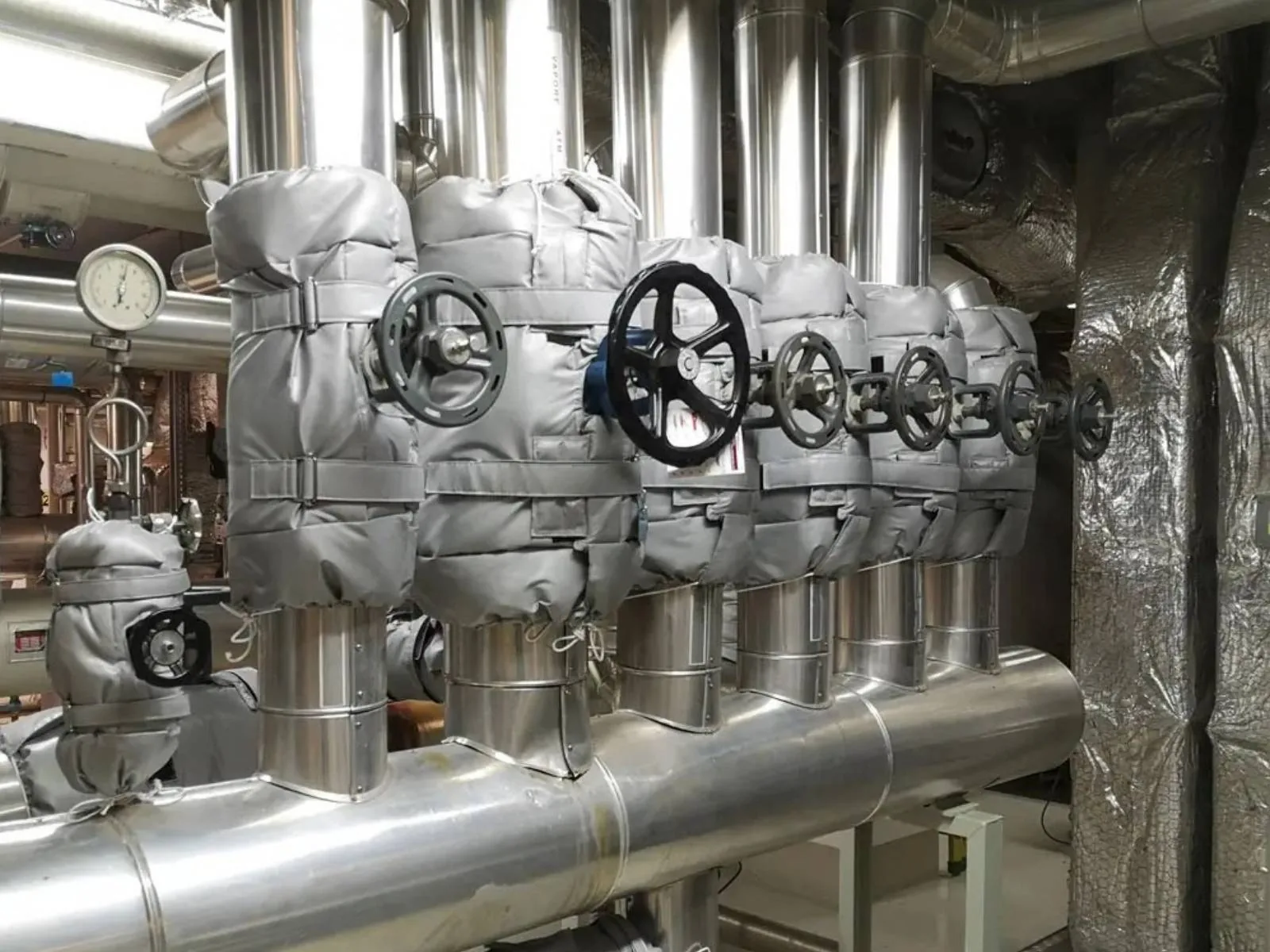
Exposed hot surfaces are insulated. How much the loss falls is calculated from the operating temperature, equipment size and insulation thickness.
The outer surface temperature drops. The target surface temperature is set per project according to contact likelihood and the cover material.
The jacket is removed by releasing its fasteners; there is no re-insulation labour or material waste after maintenance.
Each product page covers the design details, materials and quote information specific to that equipment.
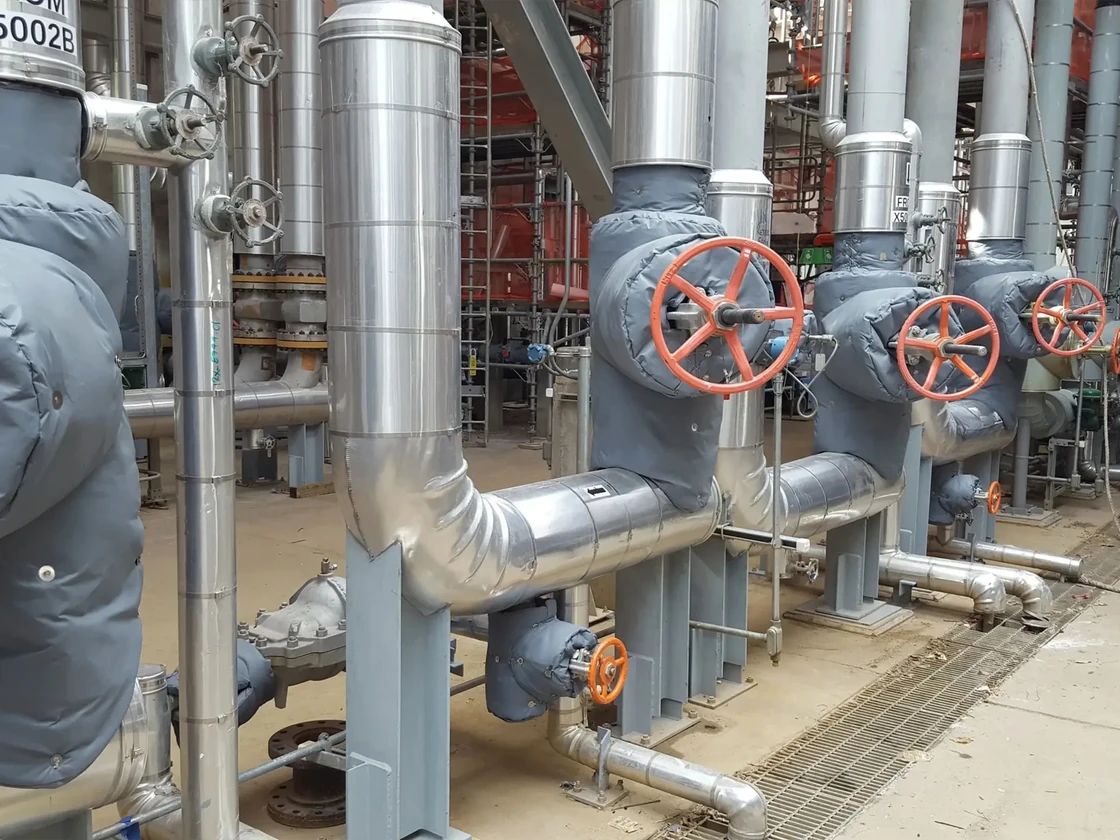
Jackets around the body, bonnet and flanges, with openings for the stem, handwheel and actuator.
Details →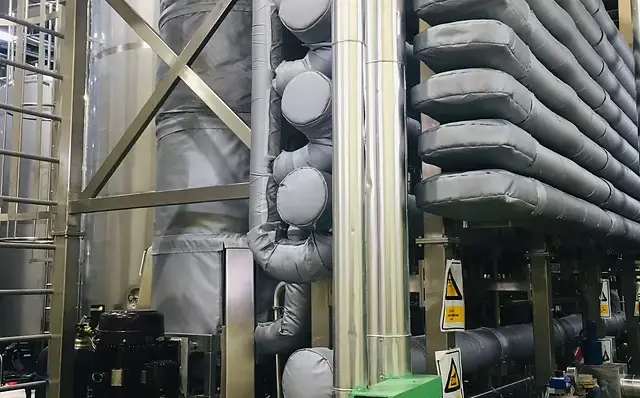
Flanges and pipe fittings, boiler doors, pumps, strainers and access covers.
Details →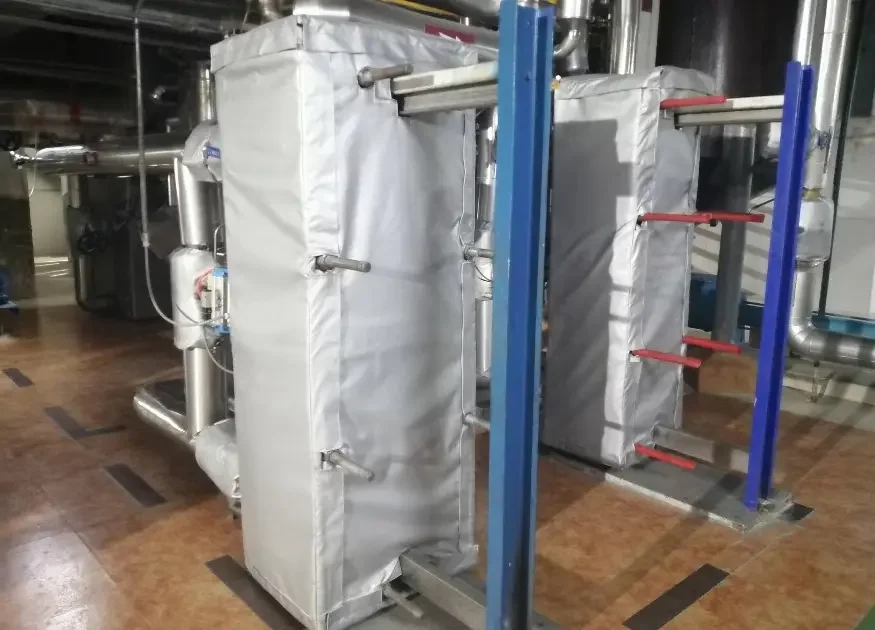
Jackets removed section by section for shell-and-tube, plate and spiral exchanger shells, heads and covers.
Details →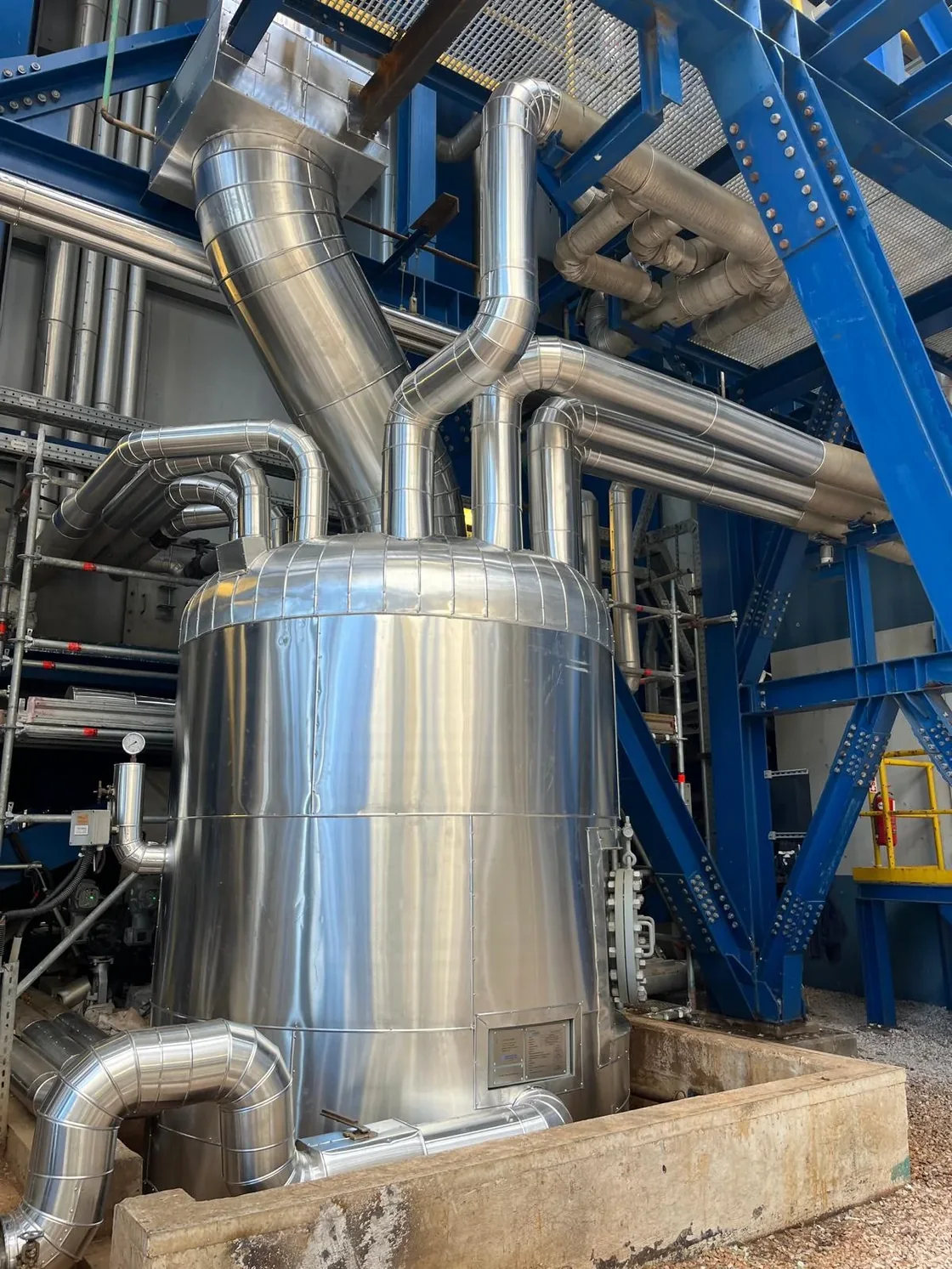
Jackets for the manways, nozzles, valves and instrument connections of storage and process tanks, combined with shell cladding.
Details →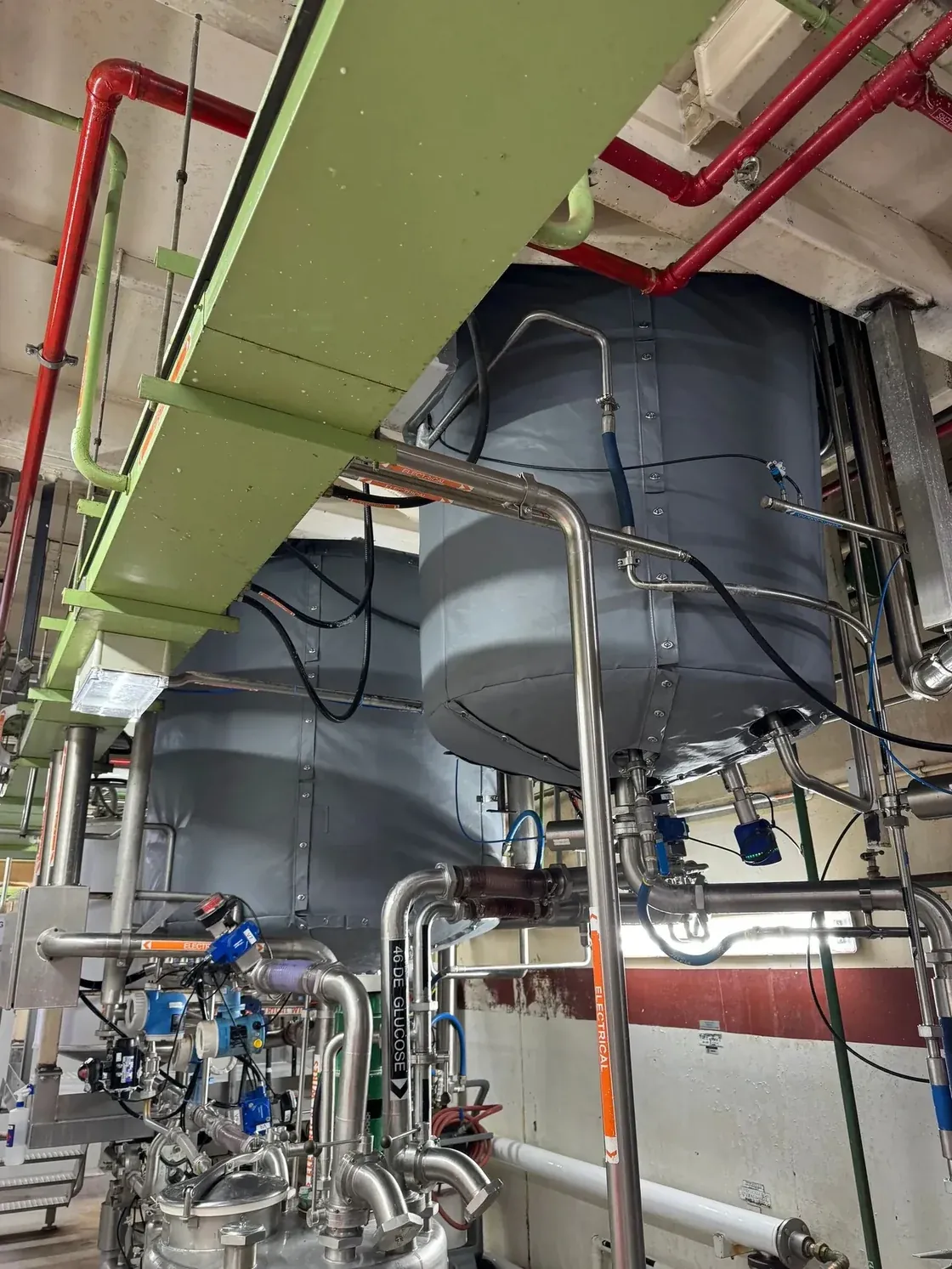
Modular, numbered jacket parts for the shells, heads, bottoms and nozzles of batch and jacketed reactors.
Details →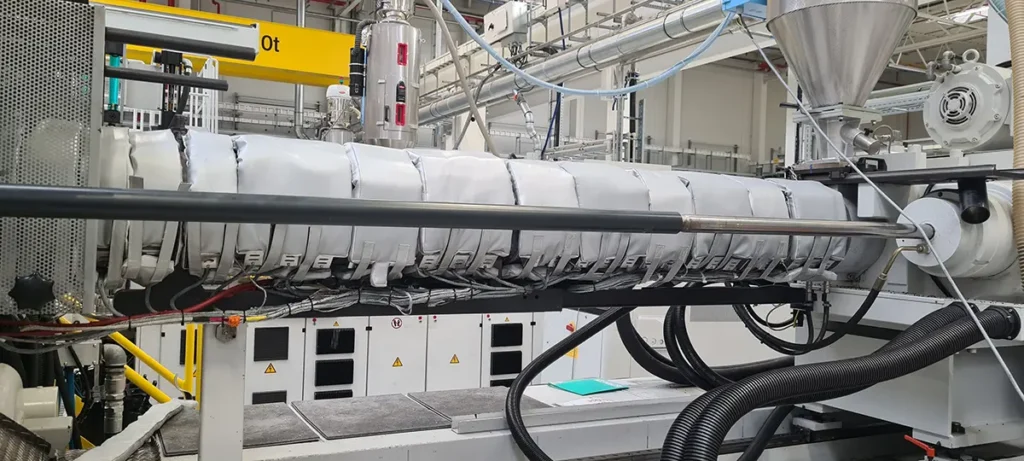
Jackets for extruder barrels, die heads and heater zones, with heater and sensor openings.
Details →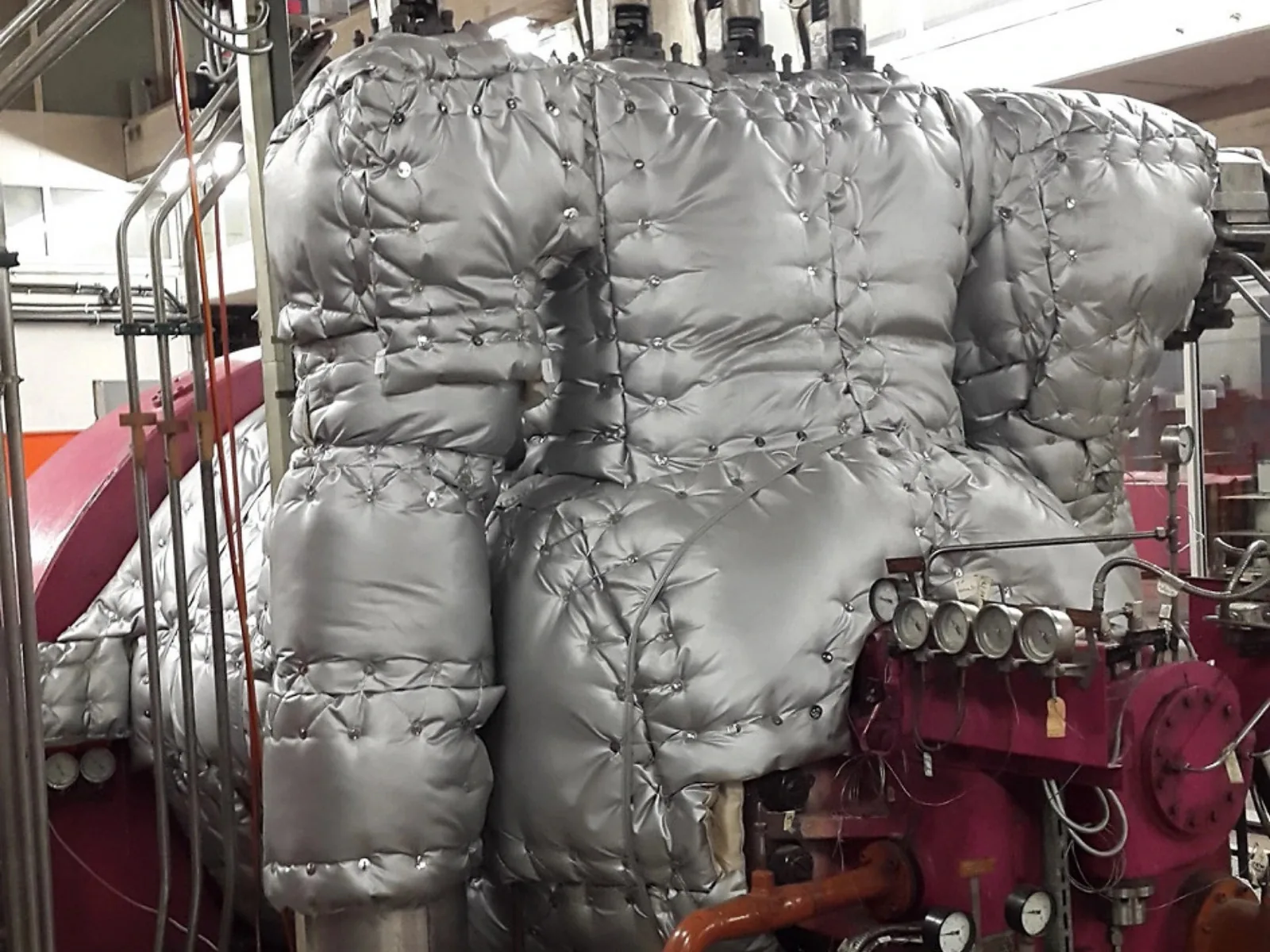
Sectional jackets for turbine casings and flanges, numbered in removal order.
Details →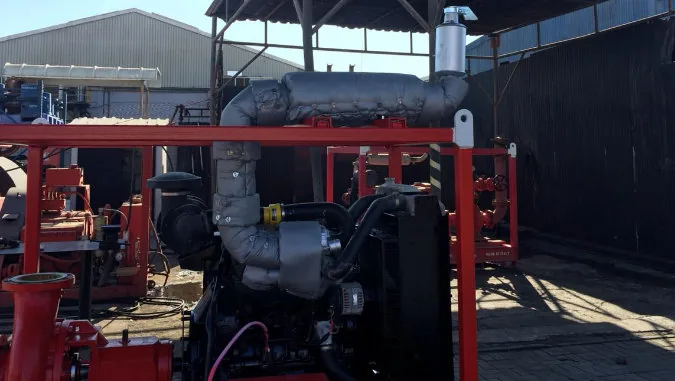
Jackets for engine exhaust lines, silencers, DOC and SCR equipment.
Details →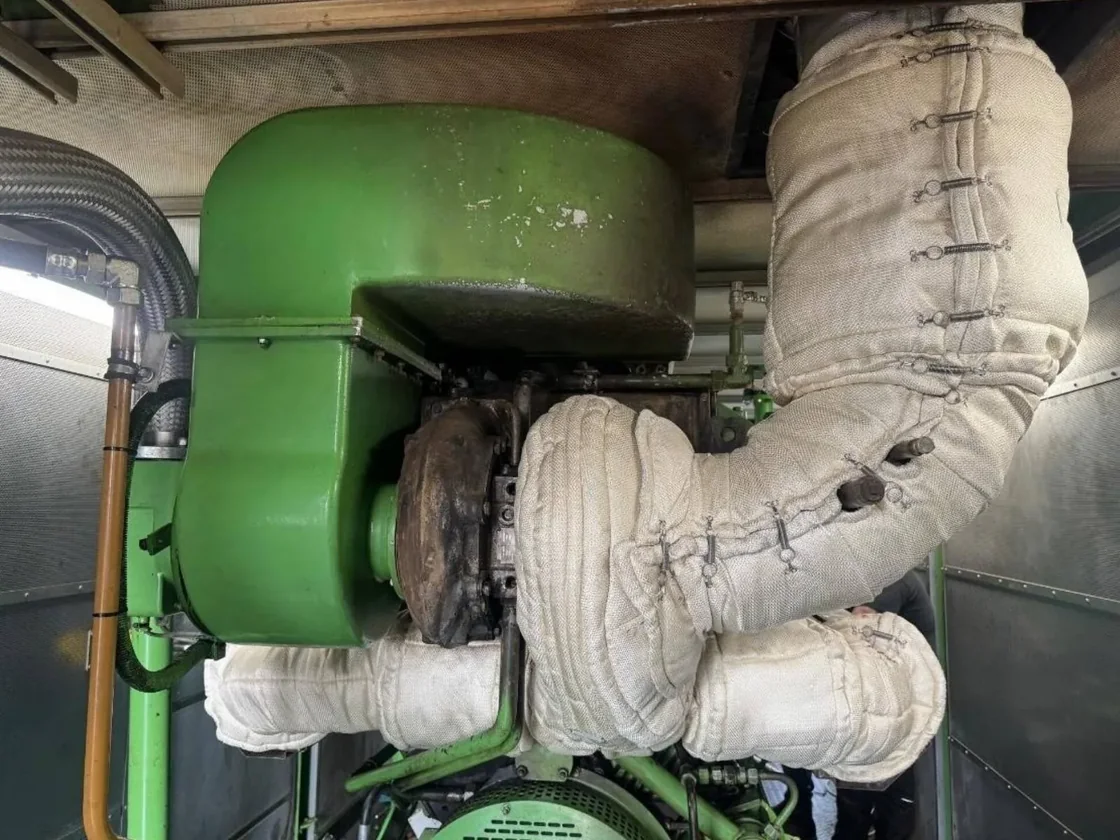
Vibration-resistant jackets for gas engine exhaust manifolds and turbocharger areas.
Details →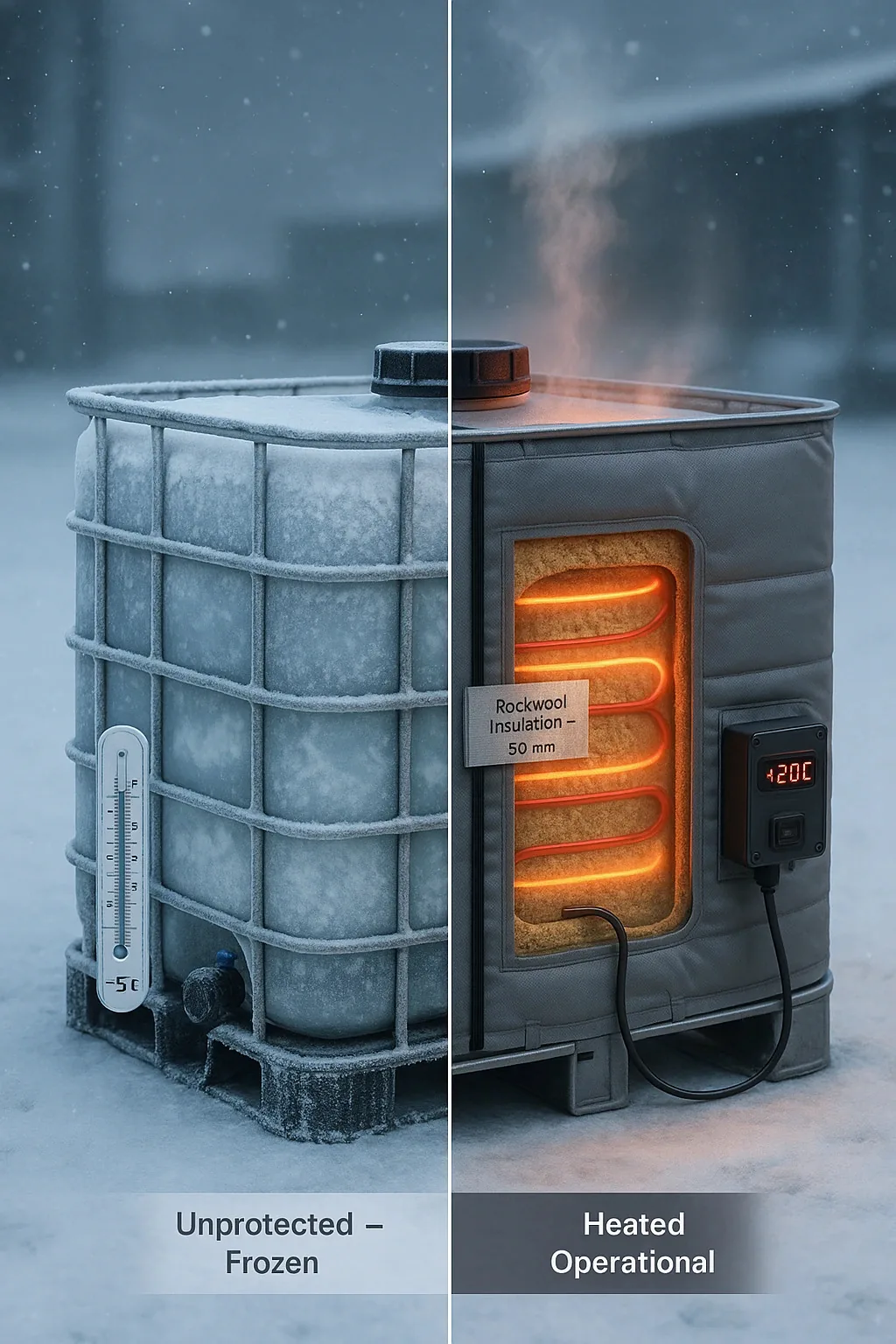
Heated and insulated IBC and drum jackets that keep viscous products flowing.
Details →Points opened for maintenance are the most common source of insulation losses in plants. Removable jackets make the biggest difference when:
How much heat loss is reduced is calculated from the equipment's temperature, size, operating hours and the selected thickness. To see the current condition, we can start with a thermal audit.
The equipment dimensions, flanges, connections and access needs are measured on site and recorded with photographs.
The insulation thickness is calculated from the operating temperature and target surface temperature; the jacket is split into sections according to the removal sequence.
Jackets are cut, sewn and labelled in installation order according to the design.
Jackets are fitted, fasteners are secured, and outer surface temperatures are checked with a thermal camera.
A jacket usually consists of an inner fabric in contact with the hot surface, an insulation filler and an outer cover fabric. Materials are selected together based on operating temperature, moisture and chemical exposure, mechanical wear, indoor or outdoor use and maintenance frequency.
Glass fibre or silica-based fabric suited to the operating temperature, in contact with the hot surface.
Stone wool, needled glass fibre, aerogel or ceramic wool. Compression-resistant fillers are used on vibrating equipment, thin-profile materials in tight spaces.
Silicone, PTFE or PU coated glass fibre fabric, selected for moisture, oil, chemical and abrasion conditions.
Stainless hooks and lacing wire, straps and buckles, hook-and-loop or zips, chosen by removal frequency and ease of access.
Removable jackets bring the most benefit at points with complex geometry that are opened for maintenance. In some cases a different solution is more appropriate:
For a payback calculation per valve, see our valve jacket payback article; for the calculation method, see our ISO 12241 guide. Product information is available in our catalogues and datasheets.
It is an insulation cover made to the dimensions of equipment that must be opened for maintenance, such as valves, flanges, pumps or heat exchangers, and that can be removed by releasing its fasteners. After maintenance the same jacket is refitted.
Fixed insulation and metal cladding are usually damaged when opened for maintenance and must be rebuilt. A removable jacket is taken off and refitted, so there is no re-insulation labour or material waste after maintenance.
By heat transfer calculation based on operating temperature, ambient conditions, equipment size and target surface temperature. The calculation follows the rules of ISO 12241 and the assumptions are shown in the report.
It depends on the fastening type, the number of sections and access conditions. The fastening system is chosen so that the maintenance team can open and close the jacket quickly, with few or no tools.
Yes. The outer cover fabric and joint details are selected for rain, UV and humidity. Overlap and drainage details that prevent water ingress are addressed separately in the design.
Equipment type and size (for example valve DN and flange class), operating temperature, quantity, indoor or outdoor use and photographs are enough for a preliminary assessment. The final quote is prepared after the site survey.


 Türkçe
 Deutsch
 Français
 Nederlands
 Svenska
 Norsk
 Dansk